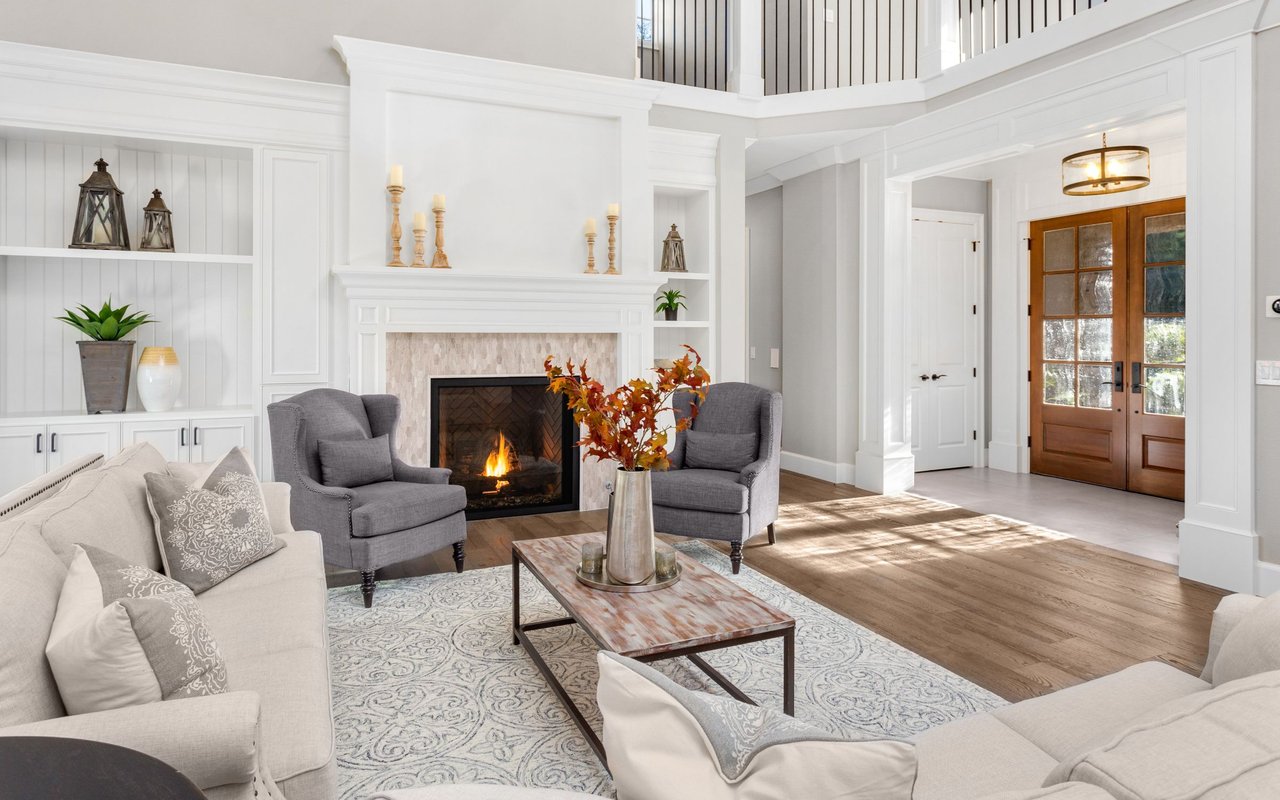

Selling your home is both an emotional and financial milestone. The way you prepare your property before listing can dramatically affect how fast it sells—and how much buyers are willing to pay. With the right combination of staging, curb appeal, and strategic improvements, you can position your home to stand out in a competitive market like Metro Atlanta.
Faster Sales
Well-prepared homes spend less time on the market.
Stronger Offers
Buyers pay more for move-in-ready homes.
Emotional Connection
First impressions drive buying decisions.
Less Negotiation
Fewer issues mean smoother closings.
Why Preparation Matters More Than You Think
Buyers rarely see potential—they see condition. Most buyers decide how they feel about a home within the first few minutes of walking in, and many make judgments before they even step inside. A well-prepared home communicates care, value, and move-in readiness, which directly translates into stronger offers.
"Homes that show better don't just sell faster—they sell for more."
Understanding the Buyer's Mindset
Today's buyers are informed, comparison-driven, and often shopping online before ever scheduling a tour. They are asking themselves:
-
Is this home worth the price compared to others?
-
Will I need to put money into repairs right away?
-
Can I see myself living here?
Your goal is to remove friction and doubt at every stage of their decision-making process.
Decluttering: The Foundation of Every Successful Sale
Decluttering is not just about cleanliness—it's about perception. A cluttered home feels smaller, darker, and less functional, even if it has great bones.
What to Remove Before Listing
-
Personal photos and memorabilia.
-
Excess furniture and bulky décor.
-
Overfilled closets and cabinets.
-
Countertop appliances not used daily.
Tip: Buyers expect storage space. Aim to leave closets and cabinets no more than 70% full.
Decluttering allows buyers to imagine their life in the space, not yours.
Deep Cleaning That Goes Beyond the Surface
Once clutter is gone, deep cleaning becomes far more effective. This is not the time for a quick sweep—it's about presenting a near move-in-ready environment.
Focus Areas Buyers Notice Immediately
-
Baseboards, door frames, and light switches
-
Kitchen sinks, faucets, and appliances
-
Bathroom grout, mirrors, and fixtures
-
Windows and natural light sources
Warning: Lingering odors (pets, smoke, food) are one of the fastest deal-breakers for buyers.
Strategic Repairs That Actually Pay Off
Not all repairs deliver a return on investment, but some absolutely do. Buyers tend to overestimate repair costs, which can lead to price reductions or hesitation.
High-Impact Fixes to Prioritize
-
Leaky faucets and running toilets.
-
Cracked tiles or damaged flooring.
-
Loose handles, hinges, and railings.
-
Obvious wall scuffs and nail holes.
Avoid major renovations unless advised by a professional. Small fixes often create the impression of a well-maintained home.
Neutralizing the Space Without Making It Boring
Bold colors and unique styles can unintentionally narrow your buyer pool. Neutral tones help buyers focus on the space itself rather than the previous owner's taste.
Best Neutral Updates
-
Warm whites or light grays on walls.
-
Simple, modern light fixtures.
-
Coordinated hardware finishes.
Note: Neutral doesn't mean sterile. Texture, light, and balance keep spaces inviting.
Staging Rooms to Highlight Functionality
Every room should clearly communicate its purpose. Ambiguous spaces confuse buyers and reduce perceived value.
Staging Best Practices
-
Define dining areas clearly.
-
Create cozy seating arrangements.
-
Add simple accents like throw pillows or plants.
-
Keep bedrooms calm and uncluttered.
If a room lacks purpose, buyers may mentally downgrade it—or ignore it entirely.
Curb Appeal: Your Home's First Impression
Curb appeal sets expectations before buyers ever step inside. A neglected exterior can make buyers assume interior problems—even if none exist.
Quick Wins for Exterior Impact
-
Fresh mulch and trimmed landscaping.
-
Power-washed walkways and siding.
-
Clean windows and front door.
-
Updated house numbers or lighting.
"If buyers don't like what they see outside, they may never come in."
Pricing Strategy Starts With Presentation
A well-prepared home supports a stronger list price. Buyers are more willing to meet or exceed asking price when a home feels turnkey.
| Condition Level | Buyer Perception | Likely Outcome |
|---|---|---|
| Poorly Prepared | Risky purchase | Low offers |
| Moderately Clean | Negotiable value | Price pressure |
| Fully Prepared | Move-in ready | Strong offers |
Step-by-Step: Final Pre-Listing Checklist
-
Walk through as if you were a buyer.
-
Fix small but noticeable issues.
-
Remove remaining clutter.
-
Clean thoroughly.
-
Enhance curb appeal.
-
Review pricing strategy.
Consistency matters—every showing should feel the same.
Working With a Local Expert Makes the Difference
Market conditions, buyer expectations, and pricing strategies vary by area. Working with a knowledgeable local professional ensures your preparation aligns with real buyer demand.
Preparing your home properly isn't about perfection—it's about positioning. When buyers walk in and feel confident, the offers follow.